DIY garage door installation vs hiring a pro in Ontario
By Elena Whitfield · Updated 2026-07-22
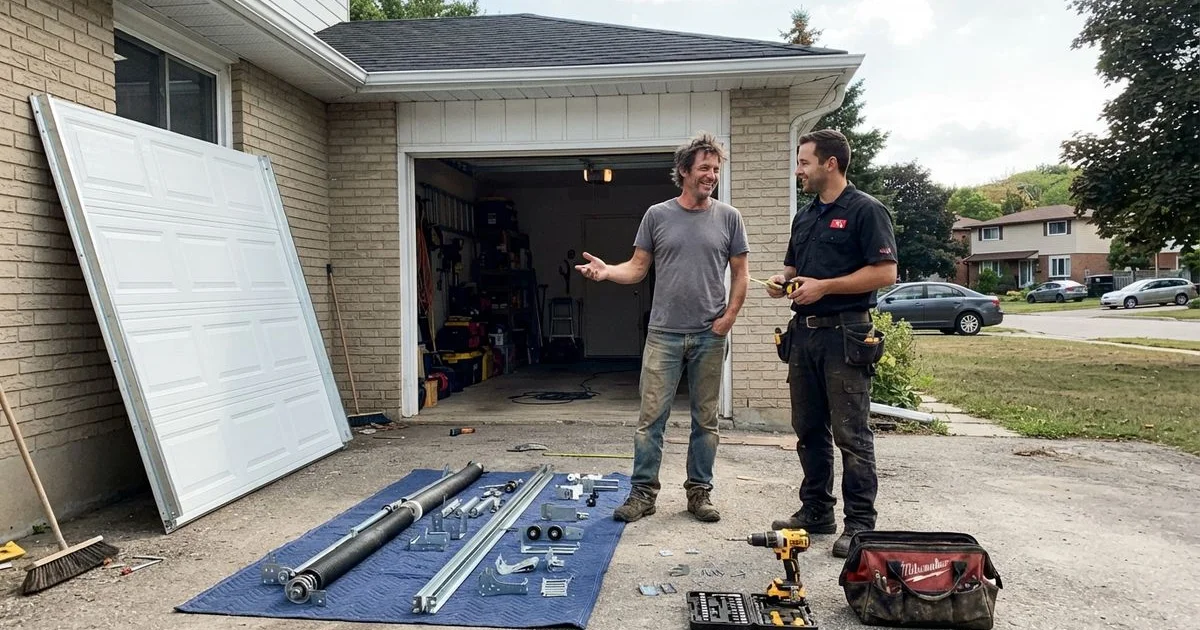
A garage door looks like a straightforward swap: old door out, new door in. The reality is a mix of genuinely doable steps and a few that carry real risk if you get them wrong, and knowing which is which decides whether DIY makes sense for your situation.
What DIY realistically covers
Replacing hardware like rollers, hinges, or weatherstripping on an existing door is a reasonable weekend project for someone comfortable with basic tools. Swapping an opener unit on a door that is already balanced and in good working order is also within reach for many homeowners, since most consumer opener kits are designed for a single installer to mount and wire.
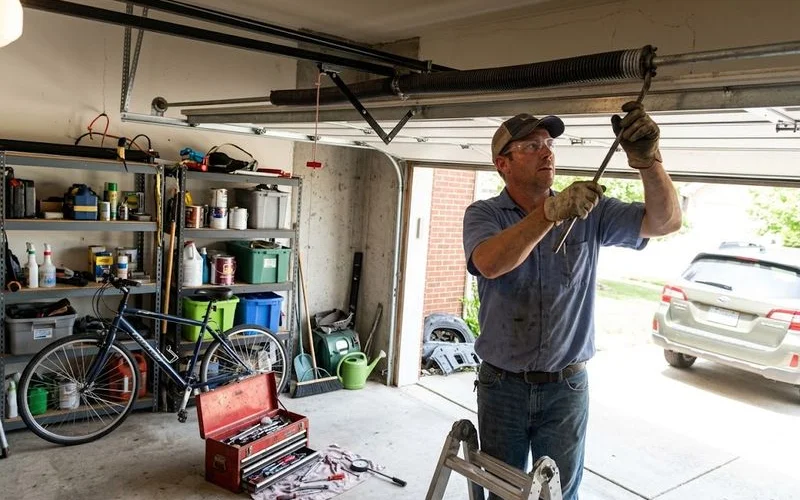
Where it gets harder is a full door replacement, especially anything involving the spring system. Torsion springs are wound under high tension and are the leading cause of injury in DIY garage door projects. Extension springs carry similar risk if a safety cable is missing or improperly installed. This is the point where most manufacturers and most experienced installers draw a hard line: leave the spring work to someone trained for it.
Side-by-side comparison
| Factor | DIY | Professional install |
|---|---|---|
| Upfront cost | Lower, materials only | Higher, includes labour |
| Time investment | A full day to a weekend for a first attempt | Usually a few hours |
| Spring and tension work | High risk without the right tools and experience | Handled routinely, with proper equipment |
| Warranty | May be voided on some brands without pro install | Typically preserved |
| Long-term reliability | Depends heavily on installer skill | Balanced and aligned to spec |
Where DIY installs tend to go wrong
The most common issues are an unbalanced door that strains the opener motor over time, misaligned tracks that cause the door to bind, and safety sensors mounted incorrectly so the auto-reverse feature does not work as intended. None of these show up as an immediate failure. They surface months later as a door that wears out faster than it should, or worse, a safety feature that fails when it is actually needed. If your current door is already showing one of these symptoms, our guide on what to check when a garage door won’t open helps you work out whether it is a quick fix or a sign the whole install needs redoing.
When hiring a pro is worth the cost
If your project involves a full door and opener replacement, any spring work, or a door heavier than a standard steel single door, the labour cost buys you more than convenience. It buys correct spring tension, a properly aligned track, and a tested safety reversal system, which matters given how much force a garage door spring stores. It is also worth it if your time has a real cost to you: a professional crew finishing in a few hours versus a weekend of your own labour is a trade worth making for a lot of homeowners.
A middle path: supply your own door, hire the install
Some homeowners split the difference by buying the door and opener themselves and hiring a professional just for the installation labour. This can trim the total cost while still getting the spring and balance work done safely. Ask installers whether they will work with customer-supplied materials before you buy, since not all of them do, and confirm the warranty terms still apply.
Questions to ask before you decide either way
If you are leaning DIY, ask yourself honestly whether you have the right winding bars for your specific spring type, a second set of hands to help support the door during installation, and a realistic block of weekend time set aside. A rushed install on a Sunday evening with the wrong tools is where most of the injury reports and callback repairs come from.
If you are leaning professional, ask for the installer’s experience with your specific door brand, whether the quote includes disposal of the old door, and what the balance and safety-reversal test at the end of the job actually covers. A crew that skips testing the auto-reverse function before leaving is cutting a corner that matters.
What most homeowners end up choosing
Hardware swaps and opener-only replacements skew heavily DIY among comfortable homeowners, while full door and spring replacements skew heavily professional, largely because the injury risk from spring work is well known and the labour cost difference is smaller than people expect once you price in tools you would need to buy for a one-time job.
To compare Ontario installers who handle both full replacements and hardware repairs, see our garage doors and openers directory. Rankings there follow the approach described on our methodology page, and the homepage has the full site if you are also planning other garage work.
FAQ
- Is installing a garage door a reasonable DIY project?
- Replacing panels or hardware on an existing, properly balanced door is within reach for a confident DIYer. Installing a full new door and opener system, including spring tensioning, is a different job and one most manufacturers recommend leaving to a trained installer.
- What tools do I need for a DIY garage door install?
- Beyond basic hand tools, you need winding bars rated for the spring type, a level, clamps, and a way to safely support the door during assembly. Missing the right winding bars is one of the more common reasons DIY spring work goes wrong.
- How much time does a professional install usually take?
- A standard single-door replacement with an experienced two-person crew typically wraps up in a few hours. A DIY first attempt often takes a full weekend once you account for research, hardware fit issues, and troubleshooting the opener.
- Does a DIY install affect the warranty?
- Sometimes. Some door and opener manufacturers require professional installation to keep the full warranty valid, so check the fine print before you start, not after something breaks.